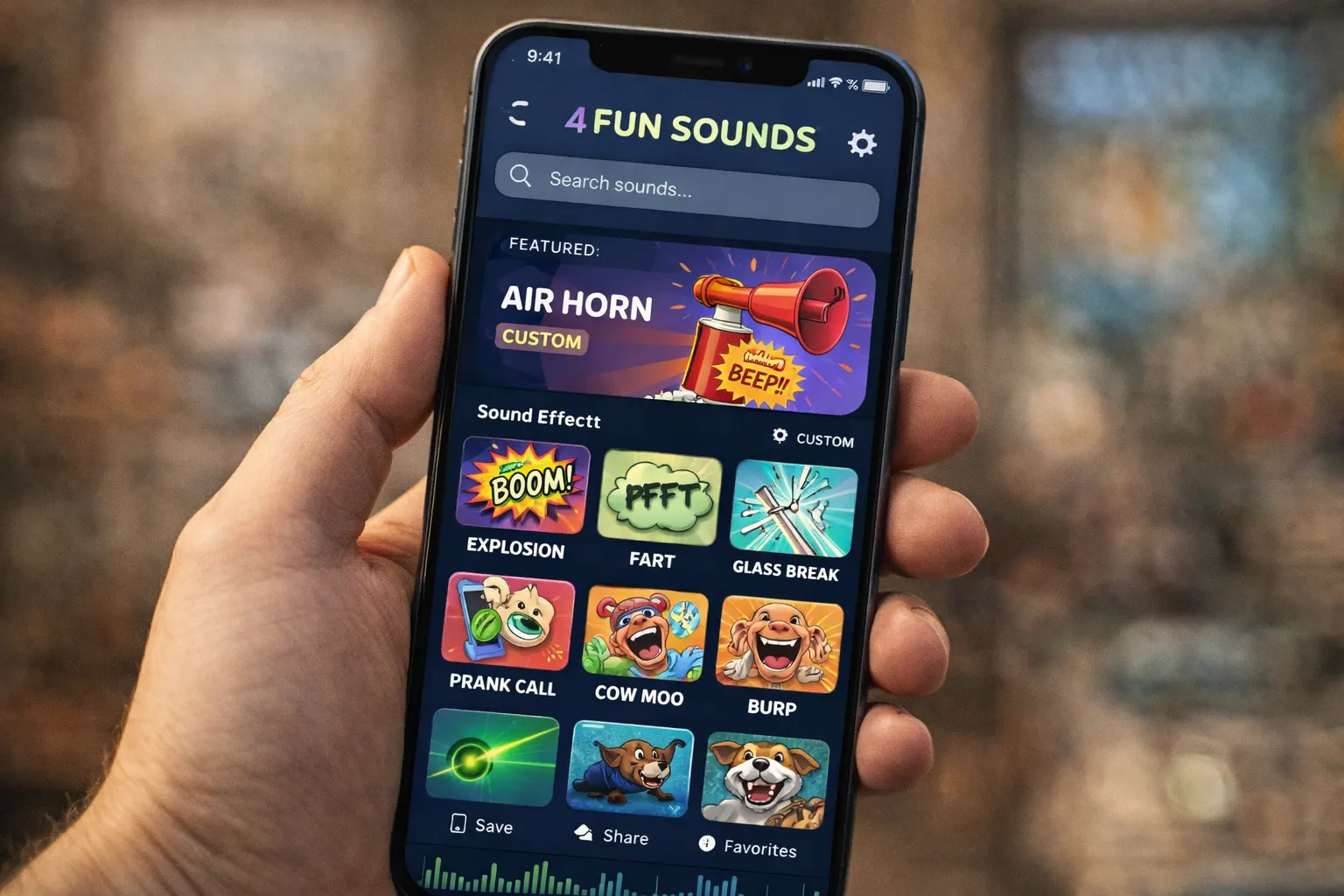
How Fart Soundboards Became Popular Online
The evolution of fart soundboards from novelty physical devices to comprehensive digital platforms reflects broader internet culture trends and technological advancement. Early websites dedicated to collecting and sharing fart sounds emerged in the late 1990s, capitalizing on the web's ability to distribute audio files globally. As technology progressed, simple sound collections evolved into sophisticated interactive platforms featuring hundreds of recordings, categorization systems, and social sharing capabilities. Mobile applications further democratized access, putting extensive fart sound libraries in users' pockets. This transformation demonstrates how toilet humor adapted to digital formats while maintaining its core appeal across changing technological landscapes.
The Early Days of Digital Fart Sounds
Before dedicated soundboard websites existed, fart sounds circulated through email chains, basic download sites, and primitive audio sharing platforms. The novelty of hearing these sounds through computer speakers attracted early internet users seeking entertainment. Early websites featured simple interfaces with clickable buttons that played individual sounds, mimicking physical soundboard devices. These platforms gained cult followings among internet communities that appreciated the absurdist humor and technological novelty. As web technologies improved, sites added features like sound ratings, user submissions, and downloadable collections.
- Initial fart sound websites emerged between 1997-2000, coinciding with broader internet adoption and audio streaming capabilities
- Flash technology enabled more interactive soundboard interfaces that responded instantly to user clicks without page reloads
- Community features like sound voting and user comments transformed passive listening into social experiences
- Mobile phone ringtones created early monetization opportunities for fart sound collections during the 2000s
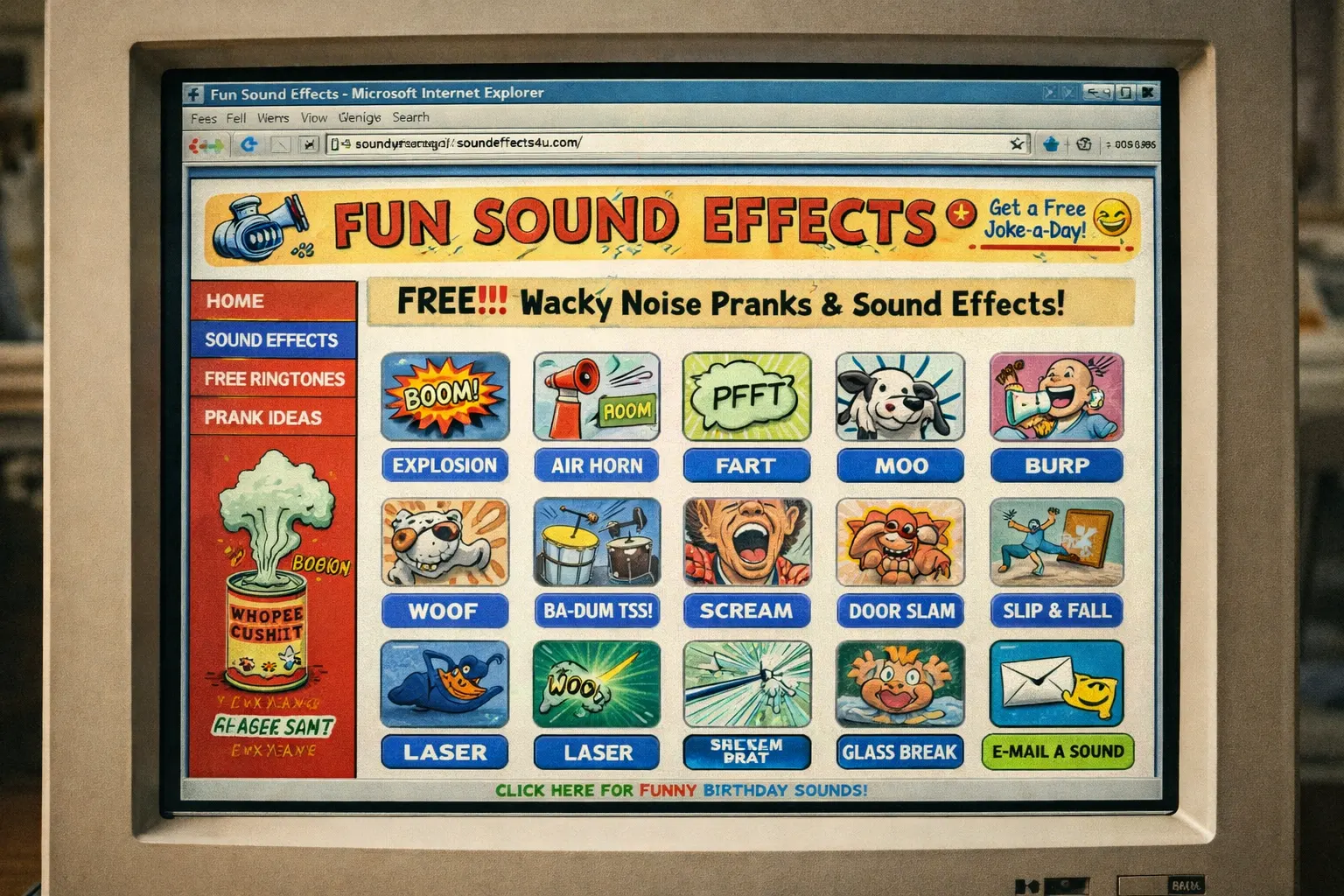
Evolution of Fart Soundboard Platforms
The progression from basic websites to sophisticated applications demonstrates continuous innovation in toilet humor delivery systems:
| Era | Platform Type | Key Features |
|---|---|---|
| Late 1990s | Basic HTML websites | Simple clickable sounds, limited libraries |
| 2000s | Flash-based soundboards | Interactive interfaces, larger collections, user ratings |
| 2010s | Mobile applications | Offline access, recording features, social sharing |
| 2020s | Cross-platform ecosystems | Cloud sync, AI categorization, community features |
"The persistence of fart soundboard popularity across multiple technological generations proves that effective humor transcends platform limitations and adapts to available technologies."
Modern Fart Soundboard Culture
Contemporary fart soundboard platforms represent sophisticated audio entertainment systems that rival professional sound libraries in organization and quality. Users curate personal collections with the same dedication music enthusiasts apply to playlist creation. Social media integration enables instant sharing of favorite sounds, while recording features let users contribute original content. The emergence of fart soundboard communities on forums and social platforms demonstrates that toilet humor fosters genuine social connections and shared entertainment experiences. As voice-activated smart speakers and IoT devices proliferate, fart soundboards continue adapting to new technologies, ensuring this peculiar internet tradition remains relevant for future generations seeking simple, accessible laughter.