What Makes Toilet Humor Jokes Timeless
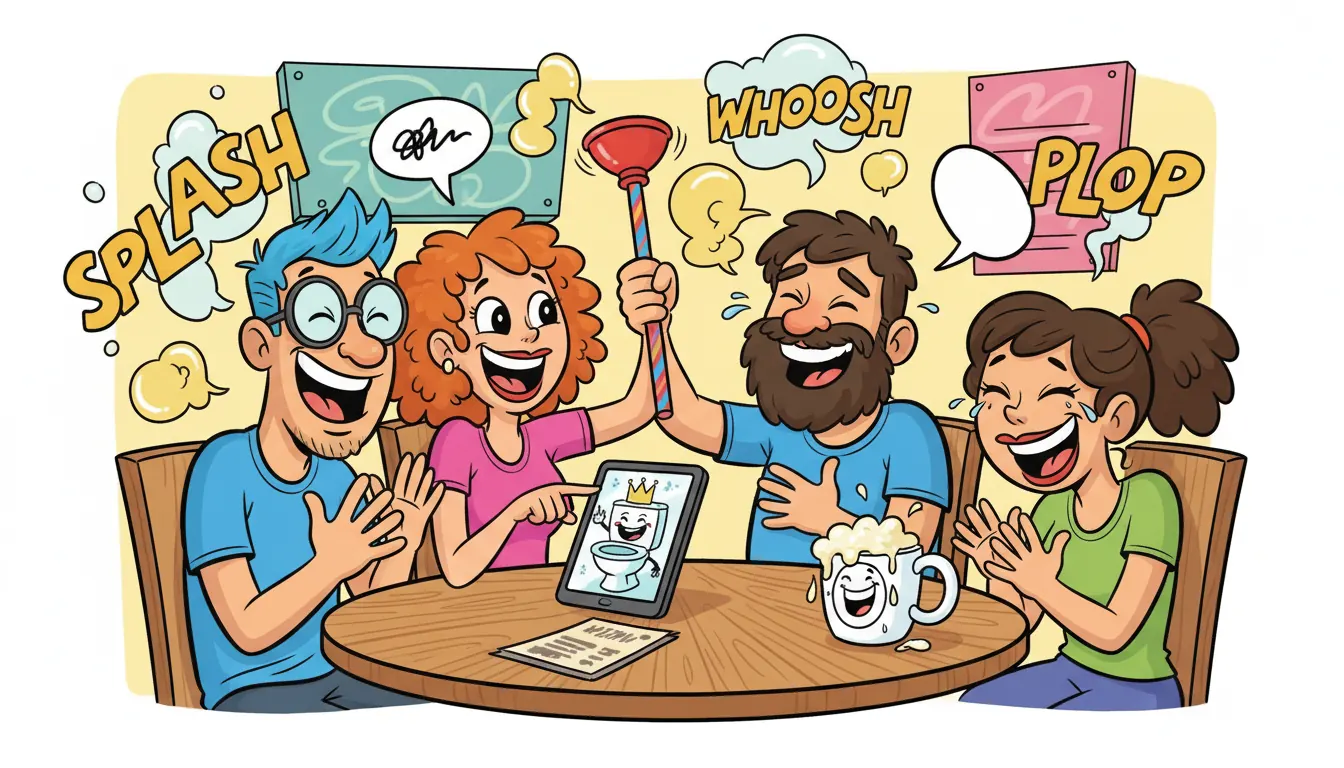
Toilet humor jokes demonstrate remarkable longevity across centuries, cultures, and evolving social norms. From ancient Roman graffiti featuring scatological references to modern viral videos of fart sounds, this comedic style persists despite periodic dismissals from cultural critics. The timeless quality of toilet humor stems from its connection to universal human experiences that transcend language, education, and social status. Everyone possesses a body that performs natural functions, creating instant recognition and relatability. This analysis explores why simple jokes about bodily functions continue resonating in increasingly sophisticated entertainment landscapes and what their persistence reveals about human nature and social bonding.
Universal Recognition and Accessibility
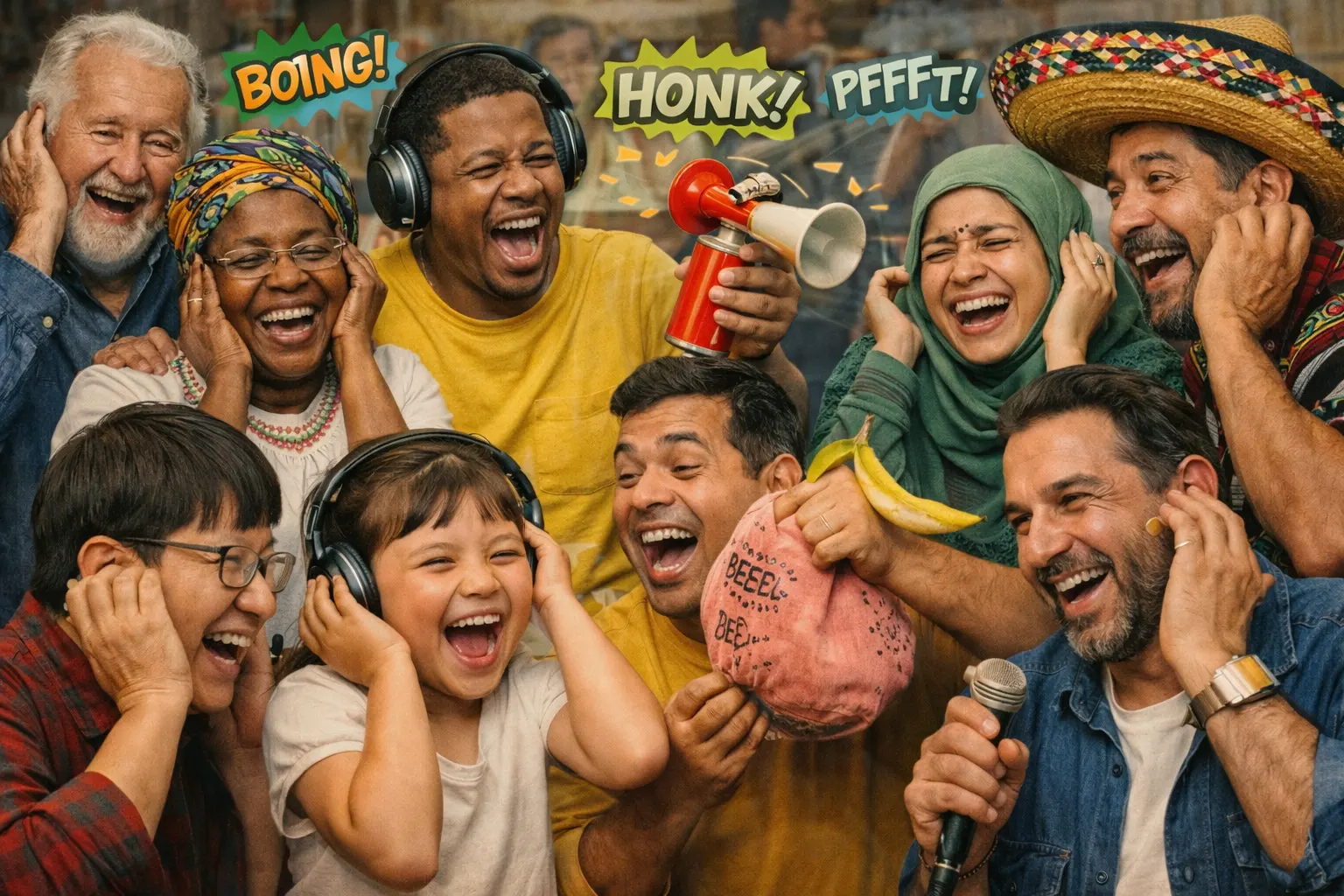
Toilet humor jokes succeed because they require no specialized knowledge, cultural context, or sophisticated language skills to understand. A fart sound triggers laughter in toddlers and adults alike, demonstrating comedy that operates below conscious cultural conditioning. This accessibility makes toilet humor ideal for diverse audiences where language barriers or cultural differences might otherwise prevent shared laughter. The physical nature of the comedy—sounds, smells, visual gags—communicates directly through sensory experience rather than linguistic interpretation.
- Bodily function jokes work across all education levels because they address experiences every human shares regardless of background
- Simple cause-and-effect humor structures make toilet jokes comprehensible to young children while remaining amusing to adults
- Physical comedy elements translate internationally without requiring dubbing or cultural adaptation
- The taboo element remains consistent across most societies, ensuring the norm-breaking aspect retains comedic power
Toilet Humor Across Historical Periods
Examining toilet humor through history reveals its consistent presence across dramatically different social contexts:
| Historical Period | Examples | Cultural Function |
|---|---|---|
| Ancient Rome | Pompeii graffiti, Satyricon references | Social leveling, class mockery |
| Medieval Era | Chaucer's Canterbury Tales, festival humor | Carnival traditions, authority subversion |
| Victorian Age | Underground pamphlets, private jokes | Rebellion against propriety standards |
| Digital Age | Fart soundboards, viral videos, memes | Instant sharing, community bonding |
"The fact that toilet humor survived Victorian prudishness, religious censorship, and modern political correctness proves its connection to fundamental human psychology rather than temporary cultural trends."
Psychological and Social Functions
Toilet humor jokes serve important psychological functions beyond simple entertainment. Laughing at bodily functions helps people process discomfort around natural processes that society demands remain hidden. Children use toilet humor to assert independence from adult rules and explore taboo topics in safe contexts. Adults employ these jokes for stress relief, social bonding, and nostalgia for simpler times. The shared laughter around toilet humor creates egalitarian moments where social hierarchies temporarily dissolve—everyone experiences flatulence regardless of status or wealth. This democratic quality ensures toilet humor remains relevant as societies evolve, providing accessible comedy that requires no credentials or insider knowledge to appreciate and share across generations.